How Far in Advance Should You Hire Movers in Conyers?
The calendar matters, but so does how much you ask the movers to carry, and older houses make both harder than they look.
How far in advance should you hire movers?
Plan to book movers four to eight weeks before moving day, and closer to eight for a summer or end-of-month move. Before their walkthrough, decide what is not coming with you and get it hauled away, so the estimate covers only what you keep. We can look at the leftovers for free: (404) 999-0644.
Does the season change how early you should book?
Yes. Late May through August is the busiest stretch for household moves because school is out and leases turn over. The last few days of each month and most Saturdays fill first, so a summer Saturday at month's end may need two months of notice.
Winter and early spring are looser. Three to four weeks is often enough from November through February, and a weekday move gives you more open dates. In Georgia heat, a crew moving a full house in July also works slower by the afternoon, which is one more reason people book early morning slots well ahead.
What should be gone before the movers come to estimate?
Movers price by weight, volume, crew size and hours. Every sofa, dresser or old freezer still standing in your home during their walkthrough lands on the estimate, even if you plan to leave it at the curb later. Clearing those items first gives you a smaller, more accurate number.
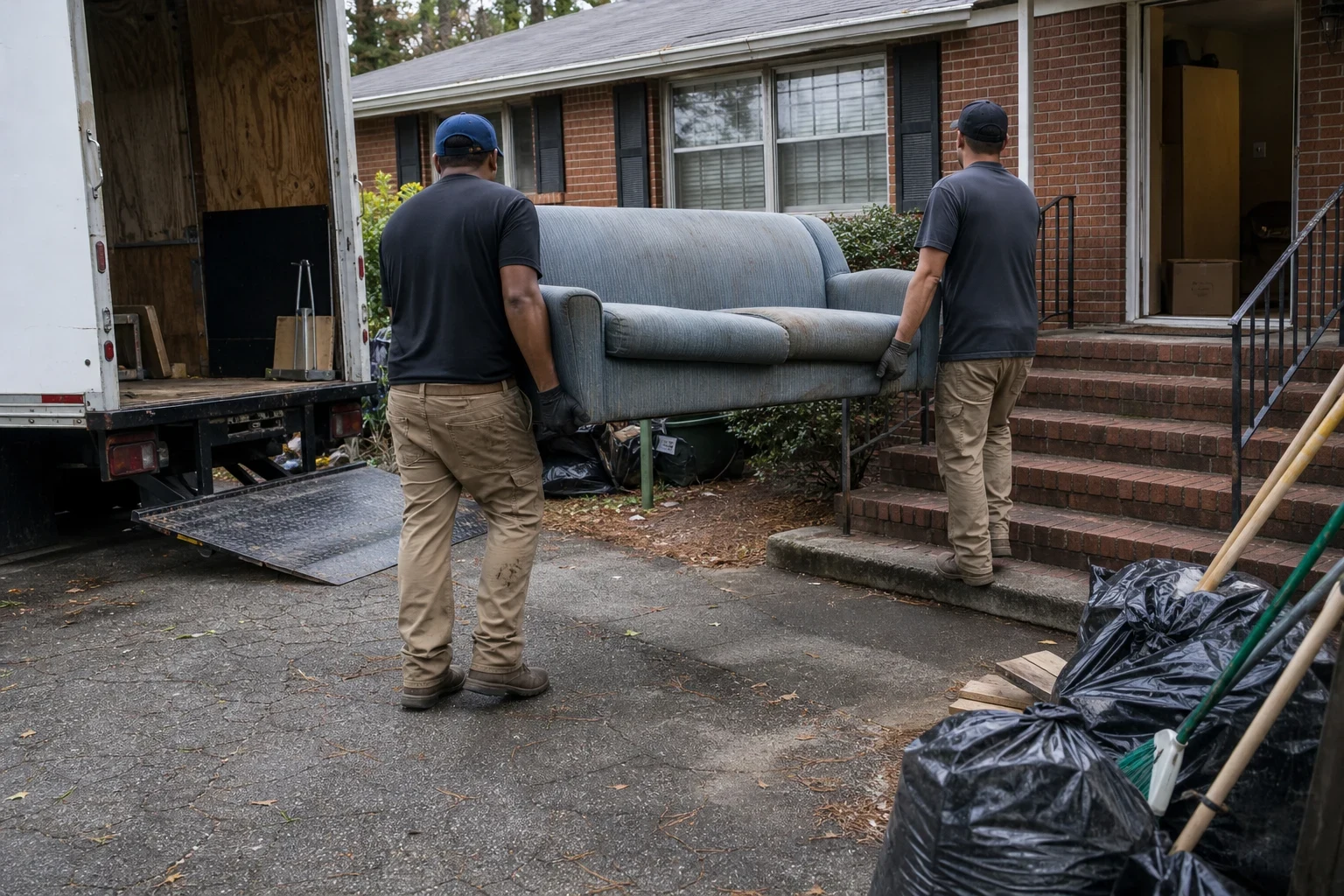
Furniture is usually the biggest piece of that. A solid oak dresser or a sleeper sofa with a steel pull-out frame can weigh well over a hundred pounds and takes two people and a dolly. If it is not going to the new house, paying to load it, truck it and unload it makes no sense.
- Sleeper sofas and recliners with worn mechanisms or broken springs
- Particleboard bookcases and entertainment centers that sag or come apart when moved
- Old mattresses and box springs
- Spare refrigerators, chest freezers and window air conditioners
- Exercise equipment that has turned into a clothes rack
- Boxes in the attic, basement or garage that have not been opened since the last move
Why do older homes need extra lead time?
Houses built decades ago were not designed around today's furniture. Interior doorways are often 28 or 30 inches, stairways are narrow with a tight turn at the landing, and some upstairs rooms are only reachable by a boxed staircase. Heavy pieces that came in before a remodel may not leave the same way without removing a door from its hinges or taking legs and backs off.
Plaster walls chip easily when a mattress or headboard scrapes a corner, and old hardwood floors gouge under a dragged appliance. Basements and pull-down attic stairs add their own problems: low ceilings, steep treads and items stored there for years that are heavier or more brittle than they look. A mover who sees these conditions at the walkthrough may plan a bigger crew or more hours.
Getting rid of the hardest pieces early, with time to spare, takes the most awkward lifts off moving day. When we handle furniture removal in an older house, we look at the path out first, pad door frames and stair corners, and disassemble what needs it rather than forcing it through.
A simple timeline from eight weeks out
Working backward from moving day keeps the purge and the booking from colliding. Here is a schedule that fits most single-family homes.
- Eight weeks out: walk every room, the attic, the basement and the garage. Tag what stays and what goes.
- Six to seven weeks out: schedule the haul-away for furniture, appliances and junk you are not keeping.
- Five to six weeks out: invite movers for in-home or video estimates once the house reflects what you are actually moving.
- Four weeks out: sign with a mover and confirm the date, arrival window and any stair or long-carry fees in writing.
- Final two weeks: pack, and set aside a last small pile for items you decide against while packing.
Should junk removal come before or after the movers?
Do the main cleanout before the moving estimate, then plan a second, smaller pickup after the truck leaves if you need it. Packing always turns up more: broken lamps, a cracked nightstand, paint cans and a garage shelf of things nobody wants. A follow-up visit means you hand back an empty house instead of hauling leftovers yourself.
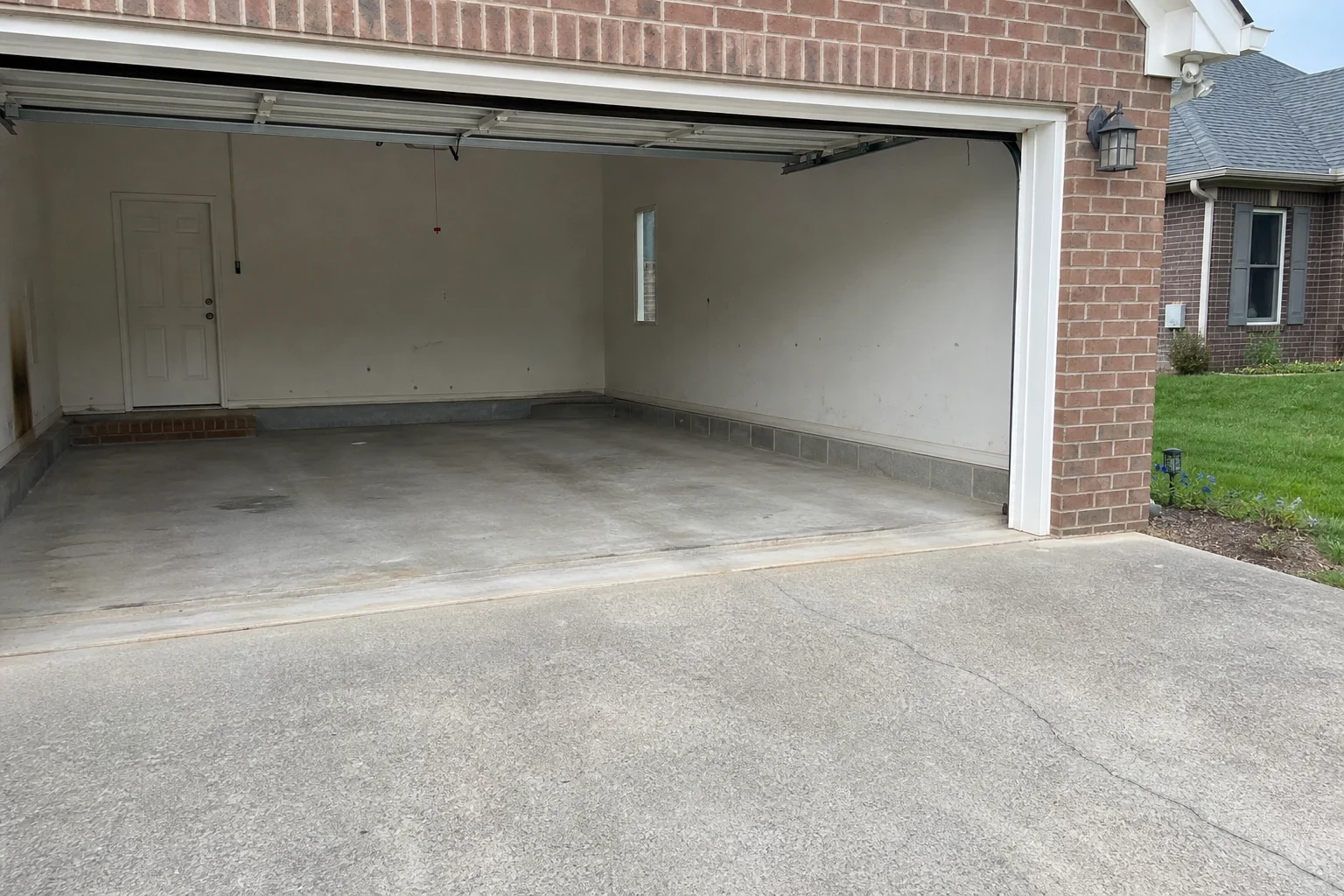
If you are selling, an empty house also photographs and shows better. Buyers in an older home want to see the floors, the condition of the walls and the basement, not the boxes stacked against them. Same-day and next-day service is available when the closing date moves up on you.
More questions about timing a move
- Can I book movers only one or two weeks ahead?
- Sometimes, especially on a weekday in the cooler months. Expect fewer choices of date and crew, and get rid of unwanted items quickly so the estimate is still accurate.
- Do you take old appliances that still have water or gas lines attached?
- Have the water line shut off and gas appliances disconnected by a qualified person first. Once they are free, we carry refrigerators, washers, dryers and ranges out of your home with our appliance removal service.
- How is the haul-away priced?
- We look at how much there is, what it is and how hard it is to reach, such as a third-floor bedroom or a basement with a steep stair. You get upfront pricing with no hidden fees before we start.
- Will you come out to see the items before moving week?
- Yes. We offer free, no-obligation on-site estimates, which is useful when you want the cleanout done before the movers' walkthrough.
Clear out before the movers count it
Call and we'll set up a free on-site estimate for the furniture, appliances and boxes you are leaving behind, with upfront pricing so you know the cost before the moving quote comes in.